

Arco: the floor lamp that brought the ceiling light to the table
A block of marble, a steel arc and a polished dome. In 1962 Achille and Pier Giacomo Castiglioni found a way to hang light over a table without touching the ceiling.
Try “Arco”, “pendant height”, “Kelvin” or “roof terrace”.

Designer Lighting · Icons · Interiors
The magazine for designer lighting: the great icons and the people behind them, ideas for every room, terrace and garden, and the craft and technology of beautiful light.
Explore the magazine Light Studio
Nine ways into light
From the PH5 to the garage, from Murano glass to Kelvin. Drag or scroll sideways.
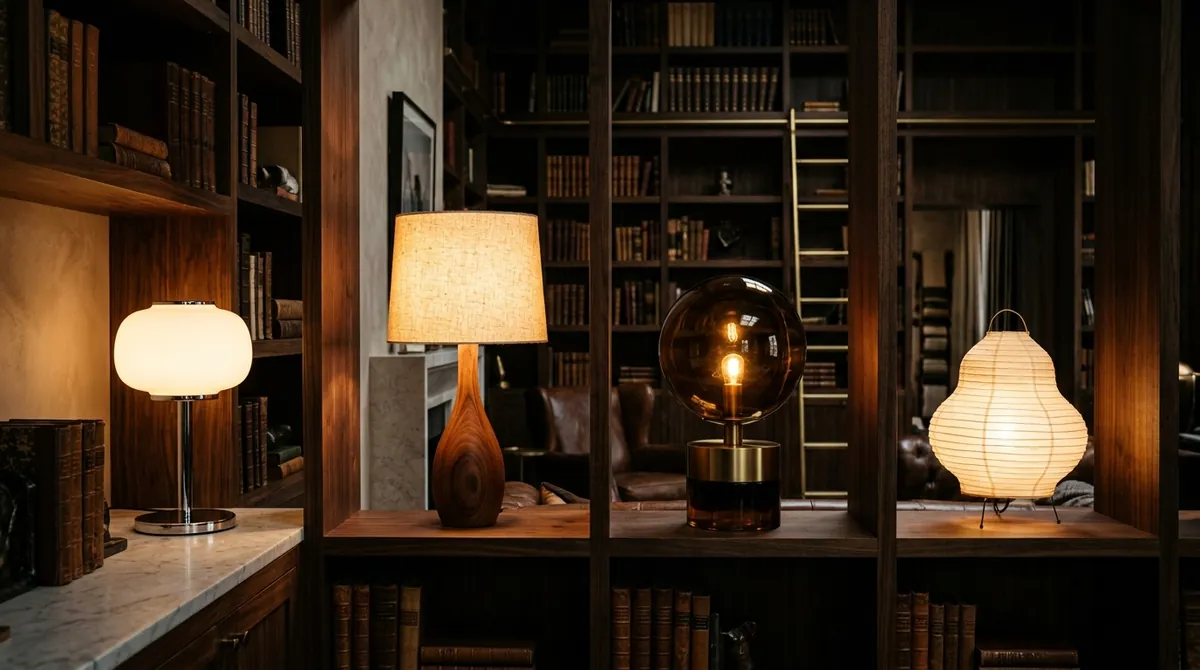
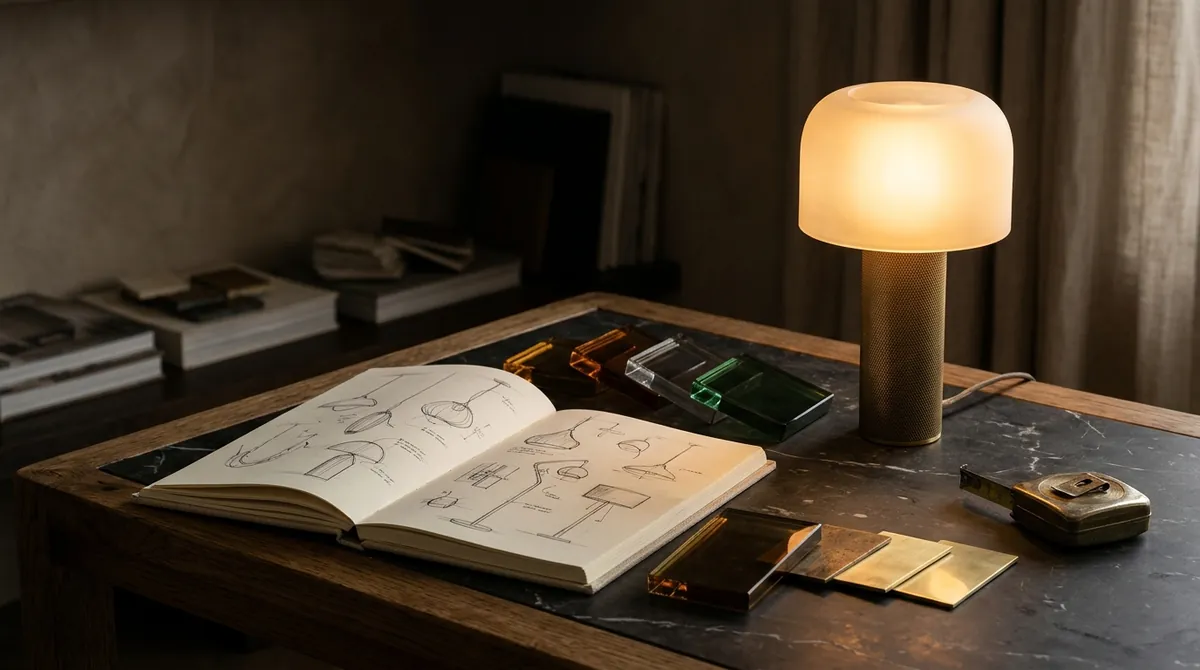
Interactive
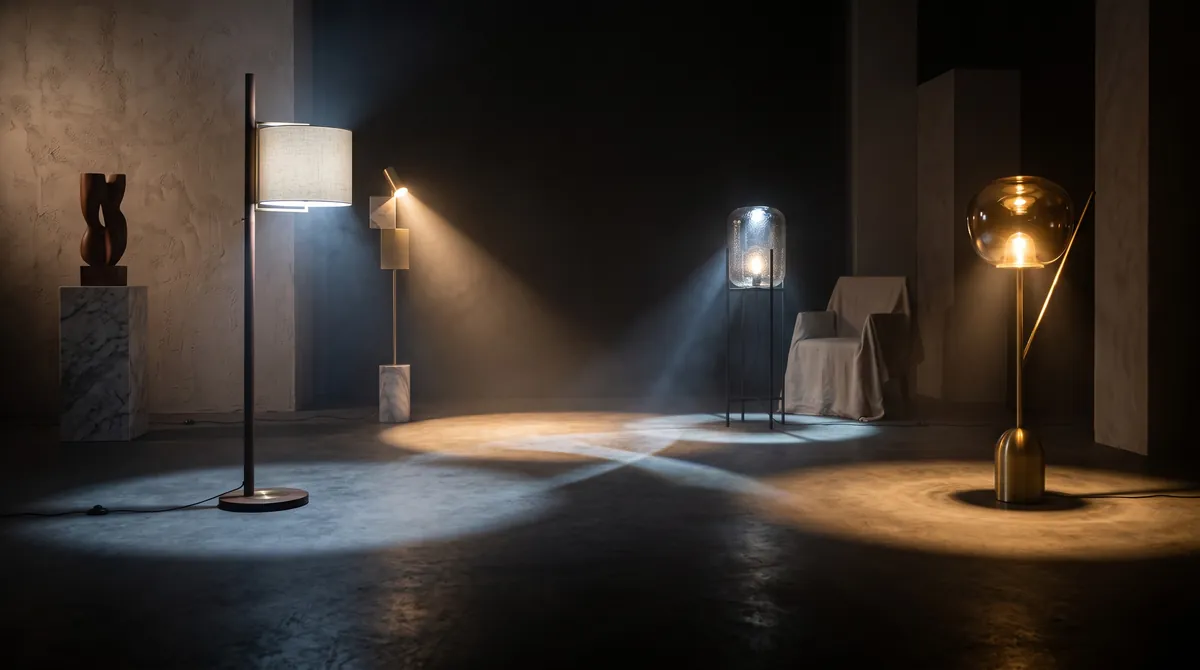
Switch on the layers of light, slide from candle light to daylight and dim the room. This is how lighting designers think.
2,700 K
Layers of light
Scenes
Icons
A block of marble, a steel arc and a polished dome. In 1962 Achille and Pier Giacomo Castiglioni found a way to hang light over a table without touching the ceiling.
Poul Henningsen spent more than thirty years teaching light to behave. The PH5 of 1958 is the result: a pendant that hides its bulb and lays a soft, even glow across the table.
In 1951 a sculptor visited a lantern town in Japan and turned its old craft into modern light. Isamu Noguchi’s Akari still glow in washi and bamboo, handmade in Gifu.
Counterweights instead of springs, current running through the arms and a tiny halogen head. Richard Sapper’s Tizio of 1972 still looks like the future of the desk.
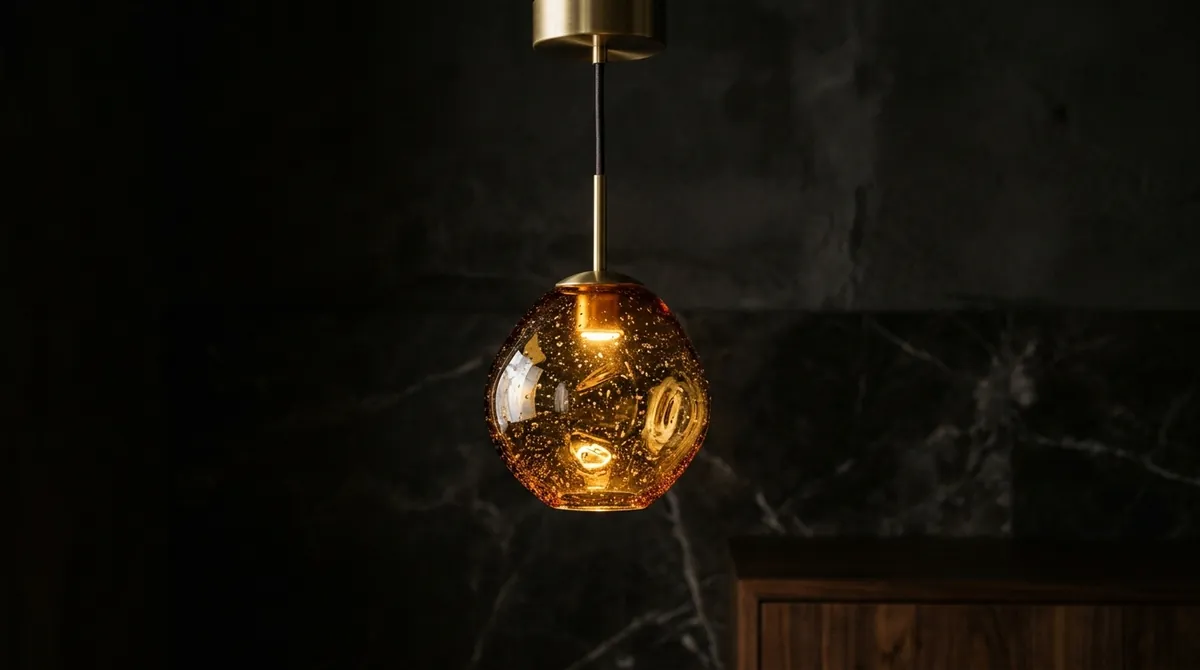
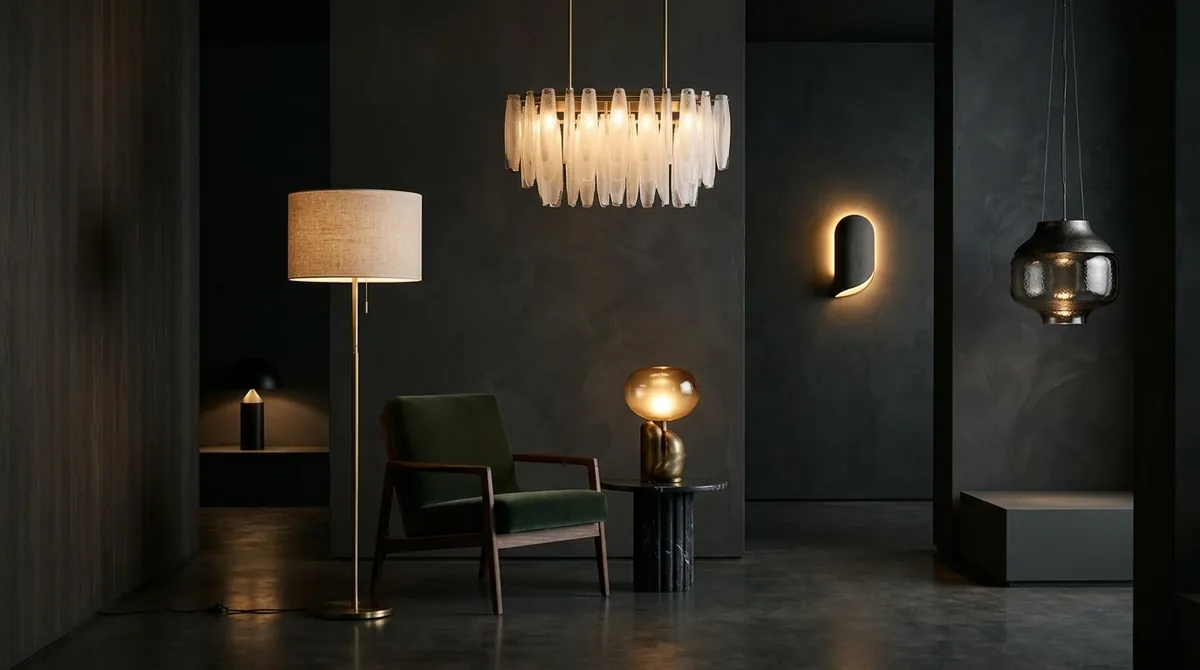
A beautiful lamp is a sculpture by day. At night it becomes the atmosphere of a whole room.
Design ideas
16 rooms and 14 outdoor spaces, each with concrete ideas from lighting designers.
Timeline
From the industrial lamps of the 1920s to the poetic objects of today. Tap a lamp.
Choose a lamp on the timeline to see who designed it and why it matters.
Tools
Calculators for pendants and lumens, a style finder and more.
The magazine
102 articles in 9 sections.
Poul Henningsen spent more than thirty years teaching light to behave. The PH5 of 1958 is the result: a pendant that hides its bulb and lays a soft, even glow across the table.
A block of marble, a steel arc and a polished dome. In 1962 Achille and Pier Giacomo Castiglioni found a way to hang light over a table without touching the ceiling.
Counterweights instead of springs, current running through the arms and a tiny halogen head. Richard Sapper’s Tizio of 1972 still looks like the future of the desk.
In 1951 a sculptor visited a lantern town in Japan and turned its old craft into modern light. Isamu Noguchi’s Akari still glow in washi and bamboo, handmade in Gifu.
A car engineer, a set of springs and a lamp that stays exactly where you put it. George Carwardine’s Anglepoise of the early 1930s became the model for every jointed desk lamp since.
A cylinder, a cone and a hemisphere: in 1977 Vico Magistretti reduced the table lamp to three pure solids for Oluce and created one of the most recognisable silhouettes in Italian design.
Drawn in 1957 for the SAS Royal Hotel in Copenhagen, Arne Jacobsen’s AJ lamp reduced a reading light to a stem, a slanted shade and a base, and Louis Poulsen has made it ever since.
Polished aluminium arms, hidden springs and thin steel cables: Michele De Lucchi and Giancarlo Fassina’s Tolomeo for Artemide turned the balanced-arm lamp into a whole family of lights.
Turn the inner shell and the light narrows to a crescent, then a thin halo. Vico Magistretti’s Eclisse for Artemide, designed in 1965, turned an old lantern idea into a perfect bedside lamp.
Designed in 1921 for offices and factories and assembled without screws or welds, the lamp of Bernard-Albin Gras found its way into Le Corbusier’s studio and onto the walls of modern homes.
From a small Milan company founded in 1939, Gino Sarfatti designed several hundred lamps and taught the world to see the light source itself as the heart of a design.
He turned a bare bulb into a monument, gave another one feathered wings and hung paper notes around a pendant. Ingo Maurer changed what a lamp could be.
Verner Panton filled rooms with orange, purple and glossy curves. His Flowerpot, Panthella and shell lamps were pieces of total interiors that still glow today.
Thin black arms, pointed shell shaped shades and crisp shadows: in 1950s Paris, the silversmith Serge Mouille created some of the most graphic lamps of French modernism.
Gae Aulenti designed lamps the way she designed buildings, as part of a space. Her Pipistrello became an icon, and her Musée d’Orsay turned a station into a museum.
The Cypriot born, London based designer turned spheres, lines and a sense of balance into some of the most recognisable lamps of the century so far.
For Alvar Aalto a lamp was never an afterthought. From the Golden Bell at the Savoy to the skylights of Viipuri, his lighting was part of the architecture itself.
Jean Prouvé thought like an engineer and built like a craftsman. His Potence wall lamp, a bare bulb on a long swinging arm, sums up a whole philosophy of honest construction.
Self-taught, restless and fascinated by metal, Tom Dixon went from welding salvaged scrap to building one of Britain’s best known lighting brands, with Mirror Ball and Beat among its icons.
Paavo Tynell turned sheets of brass into lamps that sparkle with perforated patterns. This is how a tinsmith’s apprentice became Finland’s great lighting designer.
A living room lit by one ceiling fitting never feels quite right. How to build light in layers, place floor and table lamps, light art and shelves, and dim it all for long evenings.
One large pendant or a row of small ones, how wide, how low and how far apart: the rules of thumb that make light over a dining table flattering, glare free and right for long dinners.
A bedroom needs light that never glares at you from the pillow. Soft general light, well placed bedside lamps, a glowing headboard and gentle night light make the end of the day calmer.
A kitchen needs two kinds of light: clear, shadow free light for chopping and cooking, and softer, warmer light for eating and talking. How to plan both, from under cabinet strips to island pendants.
Even, shadow free light at the mirror, safe fittings near water and warm, dimmable light for a long bath: how to plan a bathroom that works at seven in the morning and feels like a spa at night.
The entrance hall sets the tone for the whole house. How to scale a chandelier for a double height space, light the stairs and art, link it to the drive and plan welcome scenes you can maintain.
Stairs need light that shows every edge without glaring into your eyes on the way down. Step lights, handrail profiles, wall lights and stairwell pendants, planned for safety and for beauty.
A corridor can feel like a tunnel or like a gallery. Wall washing, a steady rhythm of ceiling lights, lit art, a lamp at the end and gentle night light make narrow spaces wider and warmer.
How to light a home office so you can work for hours without tired eyes: window and desk orientation, task lamps, glare free screens, video calls and a warm switch to evening.
A dressing room should show navy as navy and black as black, and still feel like a private boutique. Ideas for shelf and rail lighting, mirrors, drawers and a statement pendant.
A garage can be a bright, safe workshop or a private gallery for a classic car. Ideas for linear LED lighting, colour rendering, wall washing, sensors and damp proof fittings.
A great home cinema is mostly dark, but never black. Ideas for cove and step lights, starry ceilings, wall sconces and scenes that keep every bit of stray light off the screen.
A wine cellar should glow like a treasure room without harming what it keeps. Ideas for backlit racks, shelf lighting, tasting tables and glass wine rooms, with low heat and no UV.
A child’s room is nursery, playroom, study and bedroom in one. Ideas for soft general light, reading lamps that grow with the child, night lights and warm evening light, with safety first.
A home library should invite you to browse in the evening and read for hours. Ideas for lighting shelves, reading chairs and high walls of books, with warm light that spares paper and bindings.
Water, steam and stone ask for a special kind of light. Ideas for underwater lights, indirect ceiling and wall light, reflections and calm spa scenes, planned by specialists from the start.
An outdoor kitchen needs two kinds of light: clear, shadow free light where you chop and grill, and a low, warm glow that lets the evening carry on around the table long after the food is served.
By night a garden is read in light and shadow, and you decide what it says. Focal points, depth, a few well chosen techniques and a respect for the dark turn a plot into a picture.
On a roof terrace the view is the main event. Low, indirect and warm light lets the skyline or the coast stay in charge, while planters, benches and cordless lamps give the evening its glow.
A lit pool is one of the loveliest sights a villa can offer. Clear white underwater light, a softly lit terrace and strict safety rules turn the water into the calm centre of the night garden.
The approach is the first scene of any evening at a villa. Lit gate pillars, softly marked drive edges, uplit trees and a glowing front door guide guests home without glare or floodlights.
After dark a house can vanish into the night or come forward as architecture. Grazing light on stone, calm wall washing and neighbour friendly beams make a facade glow without spilling into windows or sky.
Good path lighting is almost invisible: soft pools of light on gravel and stone, steps that announce themselves, fittings hidden among the lavender, and nothing that looks like an airport runway.
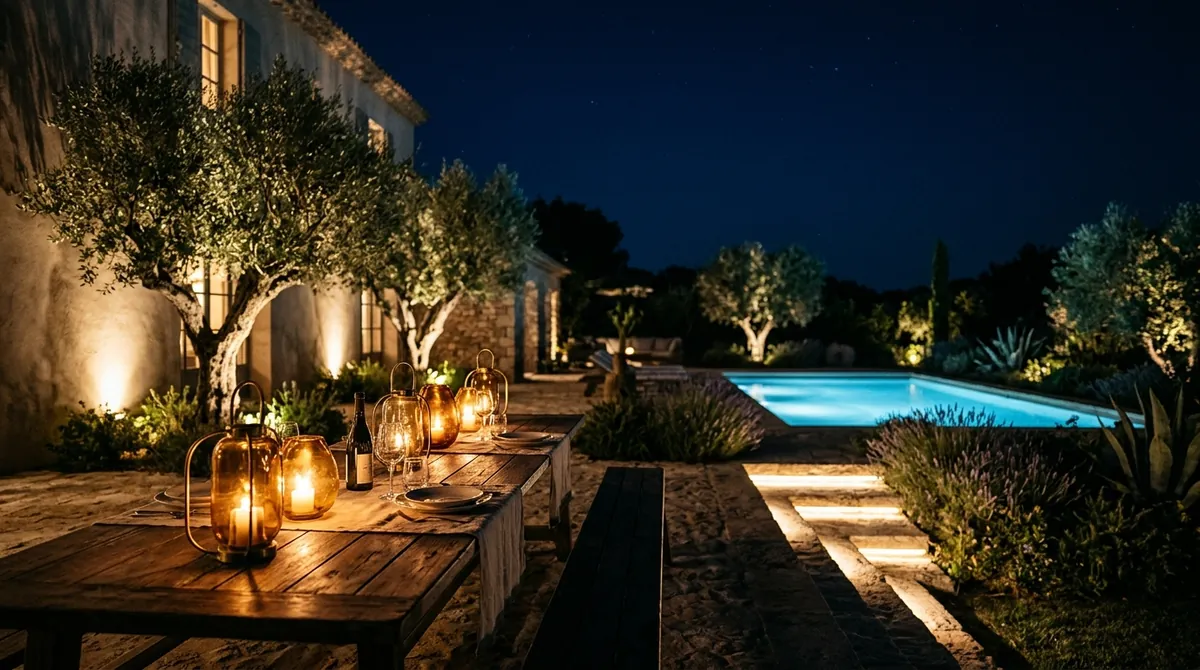
A single well-aimed light can turn an old olive tree into the sculpture of the garden. How to uplight, moonlight and silhouette trees, palms and hedges without glare or wasted light.
Under a pergola, light can shape an outdoor dining room as carefully as any interior. Pendants, light lines in the beams, festoons and lanterns, and how to keep it all warm, dimmable and weatherproof.
A balcony needs only a few lamps to become an evening room. Cordless and plug-in lights, wall lights, glowing planters and rental friendly tricks that keep the light warm, low and kind to the neighbours.
Walls are what turn a patio or courtyard into a room. Light them well, add a glowing fountain, lanterns and a few lit plants, and the space becomes the warmest room of the house on a summer night.
Rechargeable lamps have moved from camping gear to design object. How they work, what battery life really means, where to use them, how to care for them and how to charge them safely.
Solar lights promise free light with no cables. They can deliver, in the right place and with realistic expectations. How they work, why sun and battery matter most, and where wired light is the better choice.
A garden party lives on its light as much as its food and music. How to hang festoons, place lanterns and candles safely, light the bar and the dance floor and power it all in warm, flattering light.
The light on the ceiling sets the tone for the whole room. How to choose flush and semi-flush designs, size them for your ceiling, tame glare and turn a plain fitting into sculpture.
A pendant brings light down to where life happens: over the table, the island or the stair. How to choose shades, set the right height, plan clusters and avoid the classic hanging mistakes.
The chandelier never went away, it simply changed shape. How crystal, glass, brass and sculptural designs work today, how to size and hang them, and how to set a classic piece in a modern room.
No new wiring, no drilling, and light exactly where you need it. A guide to reading lamps, arcs, uplighters and tripods, with heights, placement beside sofas and chairs, and design ideas.
A table lamp sits within reach, glows at eye level and says more about you than any other light. How to balance shade and base, choose the right height, use pairs and pick materials.
Wall lights bring a room to eye level, sculpt textures and free up floors and tables. A guide to sconces, swing arms, plug-in designs, heights, spacing, bathrooms and outdoor versions.
A ceiling full of holes is the most common lighting mistake in new homes. How to plan fewer, better downlights: glare-free optics, beam angles, spacing, wall distances and light for art.
A ceiling track lets your light move as your room changes. How surface, recessed and magnetic systems work, which beam angles to choose and how to light art like a gallery.
Set flush into stone, decking or lawn, in-ground lights wash facades, trees and walls from below. What to know about glare, heat, protection and drive over ratings.
LED strips draw lines of light into coves, shelves and stairs. How to avoid visible dots, choose colour and voltage, dim smoothly and get a finish that lasts for years.
From the brass picture light above a portrait to framing projectors in the ceiling: how to light paintings, prints and sculpture without reflections, glare or damage.
Small lights set low in walls or under treads make stairs safe at night and give them quiet drama. How to choose optics, heights, spacing, ratings and smart controls.
A single slim line of light can hold a long dining table or kitchen island together. How to size, hang, level and dim a linear pendant, and what direct and indirect light do.
Integrated LEDs make lights thinner and more daring than any bulb ever allowed. But what about lifetime and repair? A guide to choosing LED luminaires that last.
Since 1291 the glassmakers of Venice have worked on a small island in the lagoon. Here is how their furnaces, colours and chandeliers shaped the way we light a room.
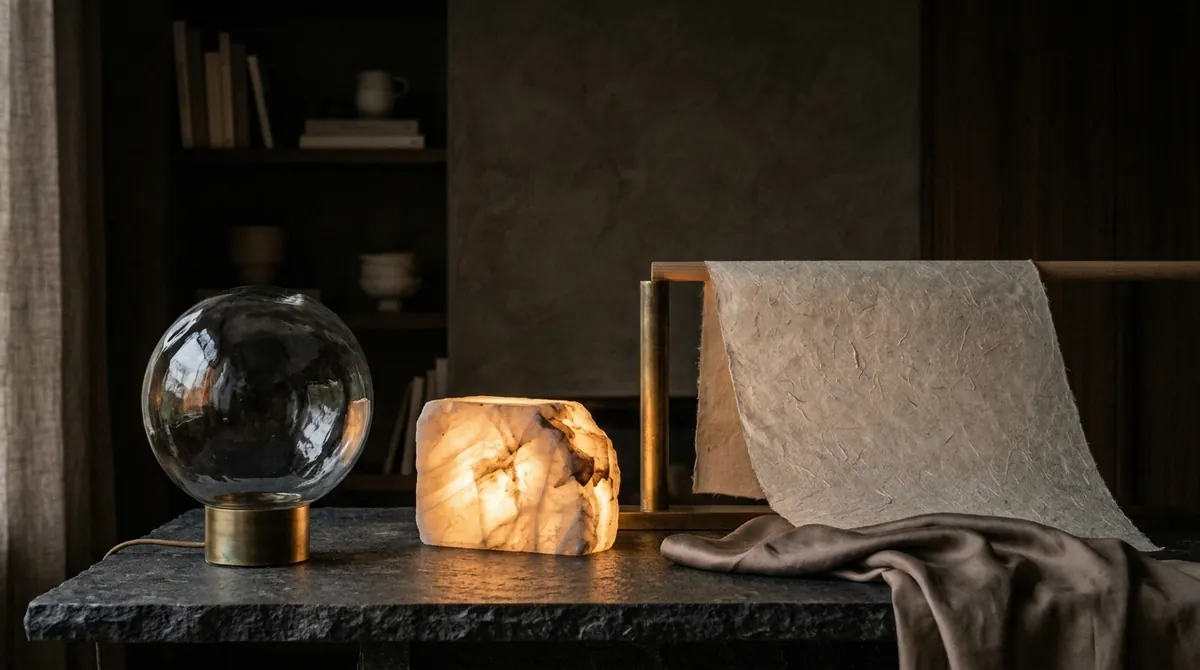
Few materials soften a bulb as beautifully as alabaster. Here is where the stone comes from, why it glows the way it does and how to keep a fragile lamp beautiful for decades.
Brass catches light like few other metals and changes with every year it is touched. Here is what it is made of, how its finishes differ and whether to polish it or let it age.
Paper is the lightest of all lamp materials, yet it can calm an entire room. Here is how Japanese washi is made, where the lantern traditions began and how to choose and care for a paper lamp.
A shade decides how a lamp lights a room as much as the bulb does. Here is how linen, silk and cotton differ, which shapes suit which bases and how to keep fabric shades looking fresh.
Glass, brass, paper, silk and marble all age in their own way. How to clean and store designer lamps by material, and when a repair belongs in the hands of a professional.
Switch on an opal glass shade and the bulb disappears into a soft, even glow. How milky glass is made, why it diffuses so well, and how to choose and clean it.
Stone gives a lamp weight, calm and a pattern no other material can copy. Marble, travertine and other stones in lighting, their finishes, and how to care for them.
A drip of glaze, a pooled colour, a slight lean: ceramic lamps carry the marks of the kiln. Stoneware, porcelain and glazes in lighting, and how to choose and care for them.
Why a candle glows amber and a winter sky looks blue, what the Kelvin number on a lamp really means, and how to choose warm, neutral or cool light for each room.
Two lamps can share the same brightness and warmth, yet make a ripe tomato, a velvet sofa or your own face look completely different. The reason is colour rendering.
Watts once told us how bright a bulb would be. With LEDs, lumen and lux have taken over. What the three words mean, and how to work out the right amount of light for each room.
An LED that hums, flickers or refuses to dim smoothly is rarely broken. It is usually a mismatch between lamp and dimmer. How dimming works, and how to get it right.
A single ceiling light makes a room visible. Several layers of light make it beautiful. How lighting designers build ambient, task, accent and decorative light, room by room.
Within two decades the light-emitting diode has replaced the bulb that lit our homes for more than a century. What an LED is, how it makes white light and what separates good from mediocre.
Smart lighting is less about gadgets than about calm: the right scene at one touch, light that finds its way at night, and switches that still work when the router does not.
Glare is the reason a beautiful lamp can still feel wrong. How direct and reflected glare arise, what shielding angles and UGR mean, and how shades, height and placement keep light comfortable.
IP44, IP65, IP68: the two digits on a lamp tell you how well it keeps out dust and water. What each digit means, and which ratings suit bathrooms, terraces, ground lights and pools.
Our bodies keep time with light. What research suggests about bright days and dim evenings, how tunable white systems work, and simple, sensible routines for lighting a home through the day.
Since September 2021, bulbs and LED light sources in the EU carry a rescaled energy label from A to G. What the classes mean, why a good LED may sit in class E, and where the QR code leads.
Indirect light bounces off walls and ceilings before it reaches you, which makes it soft, calm and almost shadowless. How coves, uplights and wall washers work, and how to avoid the classic mistakes.
How a small metal workshop in Weimar and Dessau turned the electric lamp into a clear, honest object, and how to live with Bauhaus light today.
Why Danish and Finnish designers became masters of warm, glare free light, and how to bring the Nordic way of lighting into your own home.
How Milan’s designers and manufacturers turned the lamp into sculpture, experiment and wit in the postwar decades, and how to live with their icons today.
What Tanizaki’s In Praise of Shadows, paper lanterns and wabi-sabi can teach you about low, warm, quiet light, and how to create a calm light scene at home.
Geometric glass, chrome and brass: how the lighting of the 1920s and 1930s brought glamour to liners, hotels and homes, and how to use Deco style lighting today.
Teak, brass, enamel and shades that soften the bulb: why the lamps of the 1950s and 1960s still feel fresh, and how to live with them today.
Glowing globes, mushroom domes and gleaming chrome: how the race to the Moon shaped the boldest lamps of the 1960s, and how to live with them today.
Hidden sources, trimless downlights and one sculptural lamp: how minimalism in lighting puts the quality of light before the number of fittings, without leaving rooms cold.
Whitewashed walls, rattan pendants, lanterns and long evenings outdoors: how to light a southern villa so that it stays cool by day and glows warmly at night.
Simple rules of thumb for the diameter and hanging height of pendants and chandeliers, with a worked example, a quick reference table and advice for tall rooms and stairwells.
Markings, materials, weight, finish and safety marks: a calm, practical guide to telling a licensed designer lamp from a copy, and why the difference matters.
Condition, original parts, old wiring, plugs and fragile glass: what to look at before you buy a vintage lamp, and why an electrician should always have the last word.
Light is easy to change on paper and hard to change once the plaster is dry. How to draw a lighting plan room by room, from circuits and switches to lamp sockets and outdoor cables.
What an independent lighting designer actually does, which projects benefit most, how the work runs from first concept to final focusing, and the questions to ask before you sign.
The same designer lamp can look golden and soft or harsh and flat, depending on its bulb. How to read sockets, shape codes, lumens and Kelvin, and match each bulb to its lamp.
One lonely ceiling light, glaring bulbs, a ceiling full of downlights: ten mistakes that make rooms feel flat or harsh, and the simple fixes that turn them into places you want to stay.
The greenest lamp is often the one you already own. How to choose lamps that last, keep them working, run them on efficient light and dispose of bulbs and electronics correctly.
Questions and answers
glaminia is an independent online magazine about designer lighting: 102 articles about the great lamp icons and their designers, lighting ideas for every room, terrace and garden, lamp types, materials, technology, styles and practical guides.
No. glaminia explains and inspires. We do not sell lamps, we do not rank shops or dealers and we take no commissions. Manufacturers and designers are named for their history and their work.
A Light Studio to play with layers of light, colour temperature and dimming, a pendant size calculator, a lumen calculator, a lighting style finder, a timeline of design icons and a glossary.
No. Images and videos in this magazine are AI generated illustrations and carry an “AI generated” badge. The lamps shown are original designs in the spirit of each topic, not photographs of specific products.


